
Benicàssim · 20–21 July 2012
The people of Costa de Fuego: heat, long hair and glowing phones
3 min · An independent festival keepsake
Some people had been by the barrier since six. Radio 3 mentioned it while introducing a Steel Horse recording, recalling the afternoon heat. We do not know whom each was waiting for. What remains is that small measure of the day: before the major night-time shows, some attendees had already decided to occupy the front row.
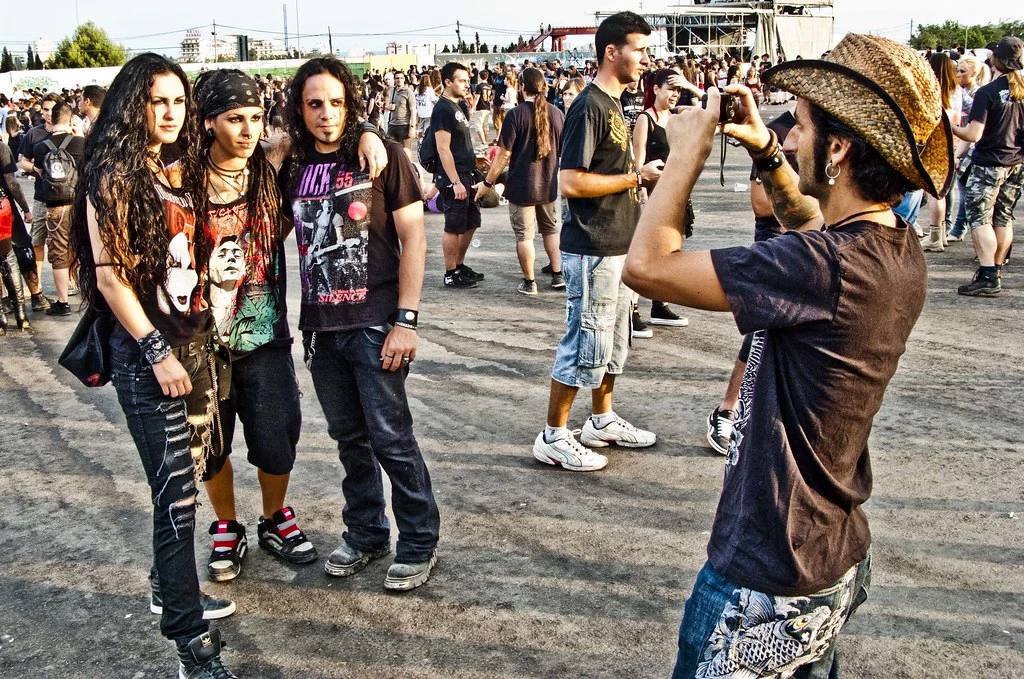
Costa de Fuego’s broadcasts offer approaches to the audience through scenes like that. Brief conversations, reporters’ observations and reactions enter the microphone. Together, they provide a human account of 20 and 21 July 2012 without inventing an attendee who experienced everything.
Waiting and moving
Heat affected musicians and attendees alike. Musicazul described sunlight on We Are The Ocean and Amorphis; the radio repeatedly discussed conditions during Angelus Apatrida’s afternoon set. Remaining before one stage and walking to another offered different ways of spending those hours.
With Angelus, the audience became a visible part of the action. Instructions from the stage organised a corridor as far as the sound tower and established when its sides should meet. The recording preserves those instructions and the presenters’ explanation. At that moment, movement filled the space between band and crowd.
Waiting for Obús had another tone. One person wanted to see Fortu do a handstand; Valverde observed veteran fans alongside very young faces. His reading connected those ages with enthusiasm for the band being passed down. The anecdote joins musical memory and curiosity about a gesture without establishing how many young people attended the festival.
A conversation beyond the stage
Another attendee said he had a phoenix tattooed on his leg. The conversation connected it to El Vuelo del Fénix, and the presenters proposed photographing it for the programme’s Facebook page. The audio preserves the suggestion. Publication of that photograph is not established here, but the exchange already reveals a relationship between listener, radio and an in-person encounter.
Later, during Guns N’ Roses, glowing phones replaced the scale of that conversation. Valverde described many and explained his difficulty reaching the centre. His report preserves a sense of density and anticipation from one position in the crowd; it cannot establish a complete attendance count.
Other experiences belong in the portrait too. In Música ¡Sí!, Albä Meiga explained that inadequate provision for disabled people limited her view of the secondary stages. The place from which someone could watch altered what they took away from the festival.
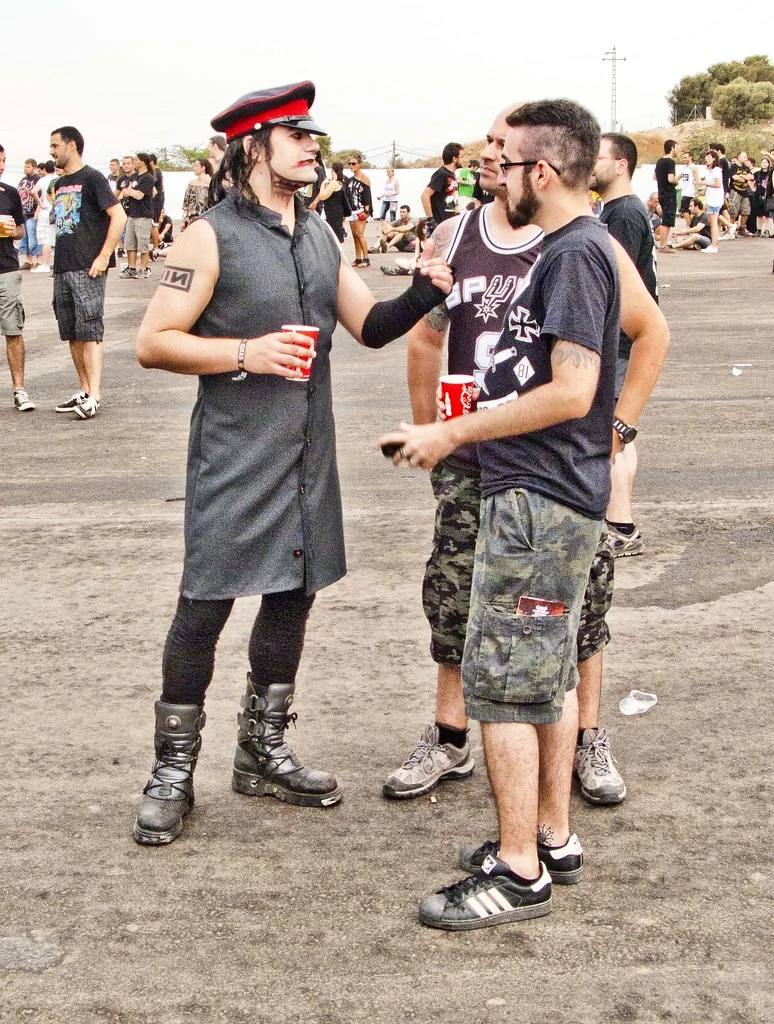
Returning to these sources, long hair and T-shirts stop being a uniform backdrop. Decisions and relationships emerge: staying at a barrier, opening a corridor, awaiting an acrobatic move, showing a tattoo or trying to find somewhere with a view. The people of Costa de Fuego become more recognisable through those gestures than through a single figure.
Sources behind this story
- Radio 3 · 20 July 2012 · 00:28:58–00:29:58; 00:50:14–00:50:29; 01:02:12–01:04:35; 03:23:10–03:24:18
- Musicazul · Alfredo Rodríguez
- Música ¡Sí! · Albä Meiga · 30.07.2012