
Benicàssim · 20–21 July 2012
WarCry at Costa de Fuego: recent favourites, audience and a statement
2 min · An independent festival keepsake
For Albä Meiga, WarCry’s hour felt much shorter. In her Música ¡Sí! review, the show occupies one of the festival’s most enthusiastic passages. She had wanted to see the band and came away feeling she had heard an energetic repertoire. That personal anticipation provides a useful entrance to the performance on Friday 20 July 2012.
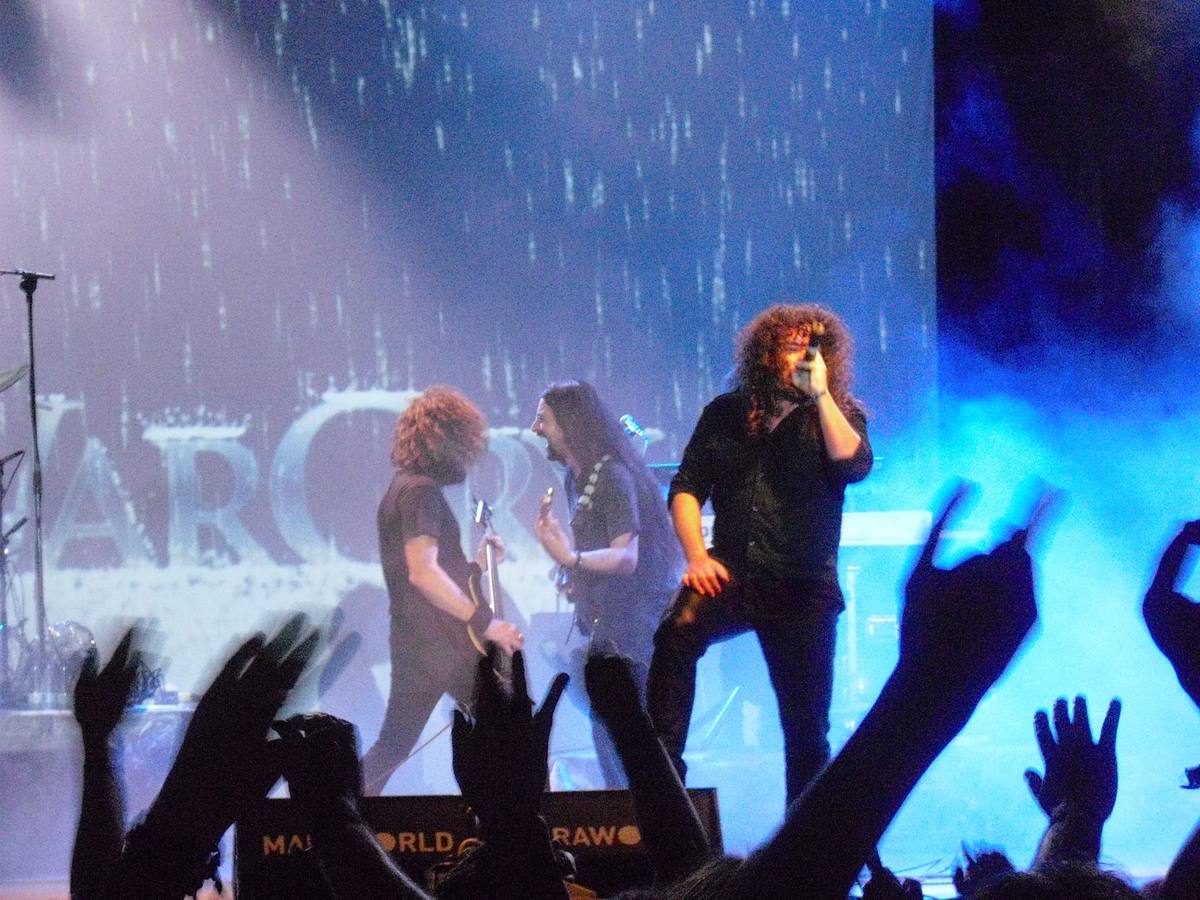

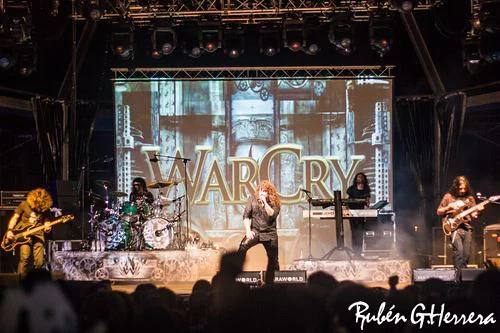
WarCry occupied Black Bikini in a slot overlapping with Barón Rojo. The same writer identified that clash as an awkward choice between bands close to her tastes. She also described difficulty seeing the secondary stages because suitable provision for disabled people was lacking. Musical enthusiasm coexisted with practical obstacles to following the show.
Songs and an intervention
In Radio 3’s coverage, Alfa was the recent album reference. The presenters discussed the band’s moment and introduced titles including Alma de conquistador and Nuevo mundo. That context locates the repertoire in 2012 without making the appearance a retrospective of the whole career.
The arrival of Cobarde introduced a specific issue. Víctor García’s intervention and the subsequent commentary connected the song with opposition to gender-based violence. The archive allows that content to be recovered without reproducing lyrics or inventing verbatim statements from automatic transcription.
The moment broadens WarCry’s story. Alongside the crowd response and the singer’s voice comes a position associated with a particular song. Recognising it requires no attribution of the same message to every artist or the festival organisation.
Hearing them afterwards
Radio 3 replayed part of WarCry while reporting the start of Guns N’ Roses. For listeners, the performance moved to another point in the night. The recording could bring together people who had chosen different stages on the grounds.
The reviews preserved different choices too. Meiga highlighted titles including Amistad, Tú mismo and Capitán Lawrence. In Musicazul, Rodríguez offered a much more distant assessment and preferred to attend to other acts, although he acknowledged García’s voice. These are two different relationships with the same band within the same programme.
WarCry’s show is consequently best understood by keeping its layers: a fan’s anticipation, the clash with Barón Rojo, a song introduced against violence and a selection replayed on the radio. Each contributes something a song list would omit. The hour one reviewer found so brief could keep sounding later, once another concert had begun on the main stage.
Sources behind this story
- Música ¡Sí! · Albä Meiga · 30.07.2012 · WarCry
- Musicazul · Alfredo Rodríguez · WarCry
- Radio 3 · 20 July 2012 · 02:59:34–02:59:53; 03:06:30–03:07:28; 03:11:55–03:12:36; 03:17:56–03:18:21