
Benicàssim · 20–21 July 2012
The summer Benicàssim turned heavy
8 min · An independent festival keepsake
The sun was in their faces, and We Are The Ocean were already playing. That is how Costa de Fuego’s opening afternoon begins in Alfredo Rodríguez’s account for Musicazul: musicians getting on with their set as the heat bore down. A little further away, Steel Horse were flying the flag for classic heavy metal in leather trousers. It was Friday 20 July 2012, with a long stretch still to go before Axl Rose appeared. Benicàssim was beginning to try out another way of filling its festival grounds. Musicazul’s review follows those first journeys between stages.
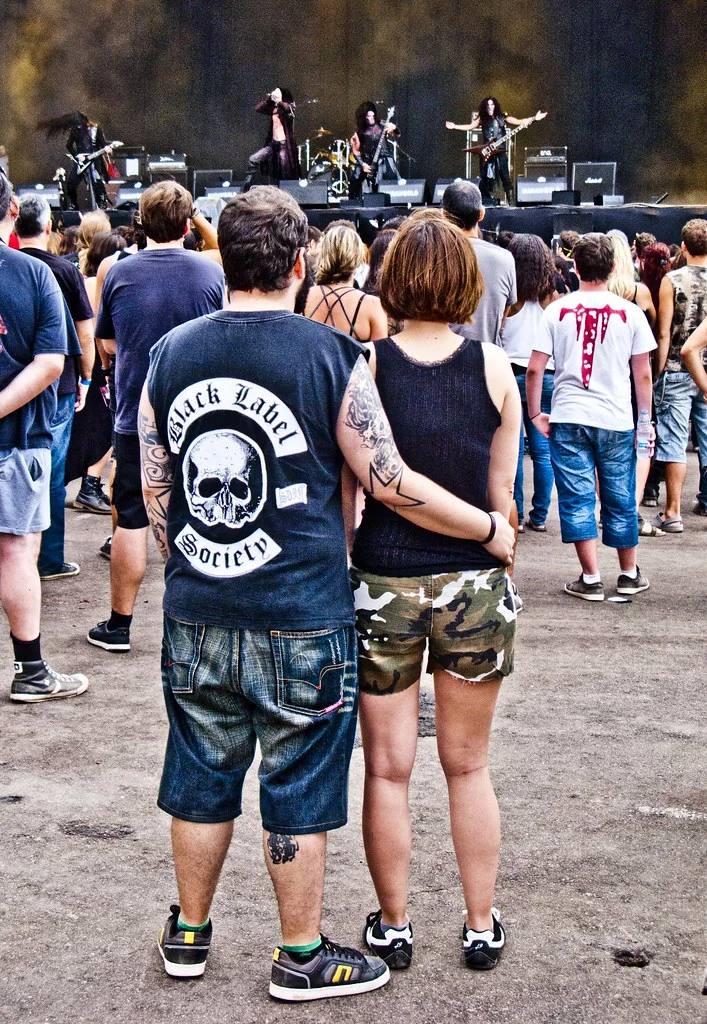
The site was familiar from FIB. Maraworld, the organiser of both events, had now opened it to hard rock and metal, with two huge names at the top of the bill: Guns N’ Roses on Friday and Marilyn Manson on Saturday 21 July. Yet between the afternoon arrivals and the early-hours shows, there was room for many different approaches to guitar music. Spanish heavy metal veterans shared the programme with hardcore bands, extreme metal, instrumental acts and groups moving between punk and garage. Heavy was a useful word of welcome; once inside, there were plenty of paths to follow.
Four stages, and something to miss
The main stage shared the programme with Black Bikini, Jack Daniel’s Stage and Red Bull Tour Bus, which put performances on the roof of a bus. Information published by RafaBasa on opening day advertised a 90,000-square-metre site, rest areas and activity until five in the morning. On paper, there was space and time. Choosing a show meant beginning to give something up.
The clash between Barón Rojo and WarCry was one that Albä Meiga noted in her account for Música ¡Sí! Metal Symphony also questioned the overlaps, despite its favourable assessment of the organisation. Two Spanish bands whose audiences might well share favourite songs and interests left people having to choose. The story of those days changes with the stage each reviewer stopped at. None of the surviving reviews saw everything.
Friday afternoon makes that variety easy to grasp. Amorphis played the main stage; Your Demise got the Black Bikini crowd moving. Satyricon brought their black metal to a slot with plenty of daylight left, a combination that drew comment in both Musicazul and Radio 3’s coverage. The darkness was in the music. The sun carried on regardless.
At Black Bikini, Angelus Apatrida opened with a siren. They were presenting The Call, and in a passage preserved in Radio 3’s first broadcast, instructions came from the stage to open a corridor through the audience as far as the sound tower. A signal would then bring the two sides together. The recording captures the instructions and commentary on the crowd’s movement: part of the performance was taking place in front of the band. Radio 3, Friday, 00:28:58–00:29:58.
Before and after Axl
With Obús, attention could settle on something as specific as an acrobatic move. One person interviewed by Radio 3 was waiting to see Fortu do a handstand. Looking around, Julio Valverde saw fans from different generations, including very young attendees, and linked their presence to an enthusiasm for the band being passed down. There was humour in the anecdote, but it also located Obús within the festival: some people knew the songs and were waiting for a particular gesture from the singer as well. Radio 3, Friday, 01:02:12–01:03:17.
Guns N’ Roses arrived well after midnight. Albä Meiga places the start at around 00:50 and describes a performance lasting roughly three hours. While Axl Rose occupied the main stage, music continued elsewhere on the site. Lacuna Coil were at Black Bikini, according to the radio coverage. Even Friday’s biggest name belonged to a night with several possible routes through it.
Reporting from the audience, Valverde described the glowing phones and his difficulty getting to the centre. That image conveys the anticipation without needing to turn it into an attendance figure. It also marks a boundary in the archive: Radio 3 explained that it did not have permission to broadcast the Guns N’ Roses performance. What survives from that connection is the reporter’s account. Radio 3, Friday, 02:58:48–02:59:11 and 03:23:10–03:24:18.
The written responses did not all sustain that anticipation. In Musicazul, Rodríguez found moments of excitement when the band returned to older songs, alongside stretches that dragged for him, particularly through newer material and solos. Albä Meiga also expressed reservations in Música ¡Sí!. The size of the name and the length of the show could not, on their own, settle what each person expected from Guns N’ Roses in 2012.
That first night also produced a rather less solemn image: The Computers dressed in white. The presenters dwelt on the contrast with the black clothes they saw around them when they returned to the set during Saturday’s broadcast, making clear that it came from the previous night. Musicazul singled out the band’s energy and their singer performing in front of the stage. Among so many bigger names, a group could make room for itself by moving a few metres closer to the crowd. Radio 3, Saturday, 01:37:39–01:38:24.
Saturday had more than one voice
The heat returned in the second day’s review, this time with Noctem on the main stage. The programme kept opening out: In Flames, Berri Txarrak, Katatonia, Opeth. There were options, too, for anyone wanting a break from vocals. El Páramo on Friday and Toundra on Saturday offered instrumental routes; Adrift brought another intensity to Black Bikini, with the dense guitars Rodríguez highlighted. The reviewer gave those performances substantial space in his account. Following that thread through Costa de Fuego could produce a rather different story from the one suggested by its two headliners.
Nightwish offered another of those stories, this time on the main stage, with a production that included flames. This was the Anette Olzon and Imaginaerum era. Metal Symphony’s Saturday review describes the staging and records a set combining songs from that album with earlier material. A cover of Over the Hills and Far Away connected the performance with the memory of Gary Moore. Between the scale of the production and that musical remembrance, the show had several points of focus.
It is also one of the performances we can hear most fully today. Radio 3 opened its second broadcast with Nightwish and, at the end of the segment, the presenters explained that they had carried almost the entire show live. Valverde praised it enthusiastically; Albä Meiga also singled it out in her review. These are accounts of a favourable reception, with their authors clearly identified. The recording lets us return to the music that prompted those comments. Radio 3, Saturday, 00:00:00–00:56:56.
Marilyn Manson’s arrival changed the look of the stage. From the audience, Valverde described a black veil concealing much of it. Again, there was no permission to broadcast the performance, so the radio relied on what its reporter could describe. The later reviews left different impressions: Musicazul was pleasantly surprised, while Metal Symphony was considerably more critical. Costa de Fuego’s second major headlining appearance also ended up open to debate. Radio 3, Saturday, 01:58:29–01:59:54.

A place to spend two days
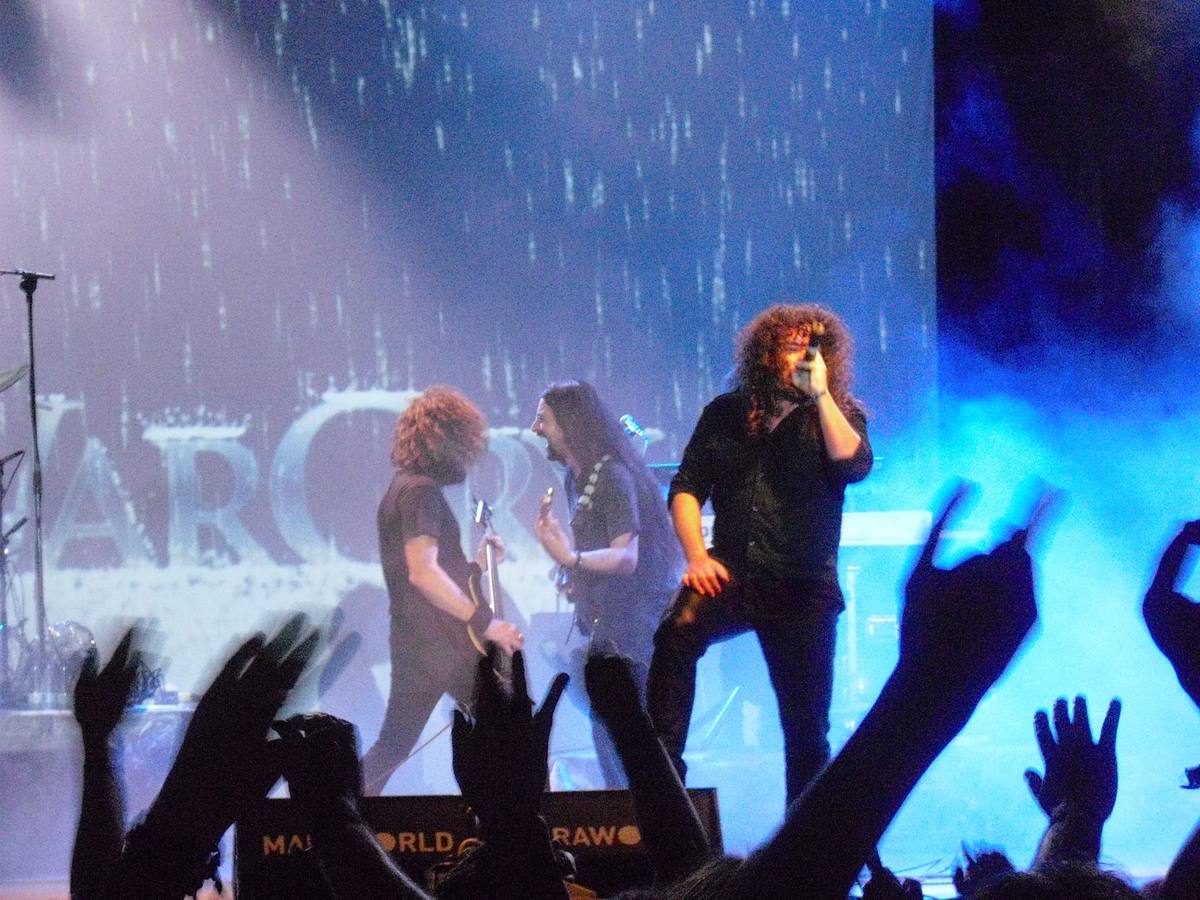
There had to be pauses between performances. Metal Symphony welcomed the short distances between stages, the trees, the asphalt that kept dust down and the places to sit and eat. In its account, those details explained some of the comfort of the inaugural event. The festival also extended into Campfest: the organiser had announced that it would operate from 19 to 22 July, accommodating a stay around the two days of shows. Metal Symphony’s first impressions and the organiser’s announcement preserve those two perspectives: what was observed and what was advertised.
Comfort, however, depended on who was trying to watch the shows. Albä Meiga described the difficulties she encountered following performances at the three secondary stages because suitable provision for disabled people was lacking. Her account belongs to the same site that other reviewers praised. Reconstructing the experience of Costa de Fuego also means making room for those who could not watch on equal terms.
While the second day was under way, the talk was still of a beginning. During Saturday’s broadcast, Radio 3’s presenters relayed what they had heard at that morning’s press conference: a project of at least five years, a three-to-five-year period in which to establish it, and an intention to start work on the next edition the following week. That was the future being announced at the time. The subsequent changes of plan belong to the next chapter. Radio 3, Saturday, 00:57:40–00:59:06.
The radio signed off with that confidence in returning. It chose music by Toundra to close, but the presenters made clear that Hamlet were still playing and that more bands had yet to appear. For the listener, the broadcast was ending. In Benicàssim, the night went on. Radio 3, Saturday, 03:48:55–03:49:27 and 03:56:26–03:57:03.