
Benicàssim · 20–21 July 2012
The reviews do not tell quite the same festival
3 min · An independent festival keepsake
In Flames could deliver a disappointing show or defend their performance before a distant audience. Both readings appear in Costa de Fuego’s reviews. Preserving one does not require choosing against the other: part of the festival’s history lies precisely in what witnesses expected and where they directed attention.
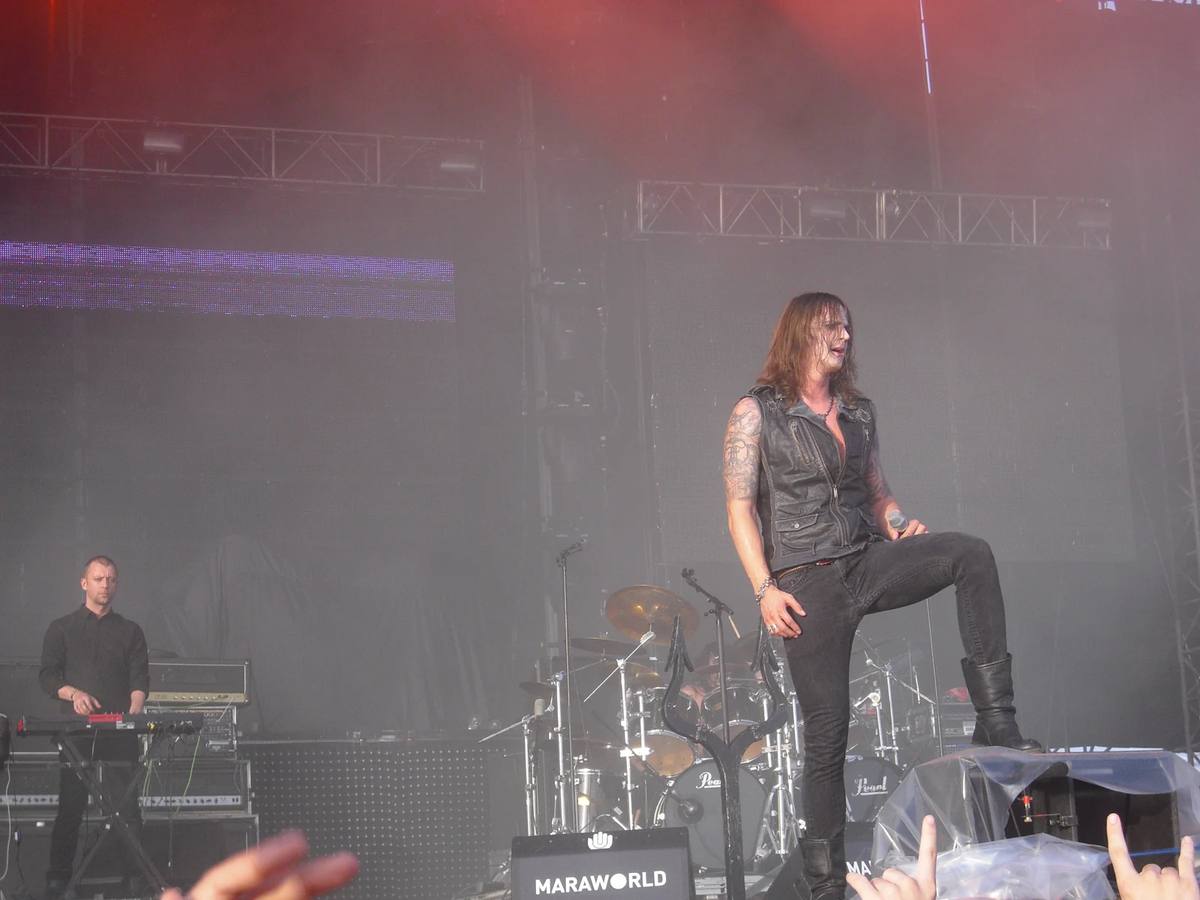

The days of 20 and 21 July 2012 produced different routes between stages. No critic saw the entire programme. Some chose instrumental acts; others particularly awaited WarCry or the major names. Those decisions subsequently became accounts with different centres of gravity.
Who was responsible for a difficult afternoon?
Musicazul found In Flames unconvincing and noted difficulties connecting with attendees. Metalcry also left a negative impression. Metal Symphony, however, defended the band’s commitment and regretted the distance it perceived in the crowd. Its writer even described conversations and criticism heard beside him.
The difference concerns the responsibility each reviewer assigns to the outcome. One might focus on repertoire or sound, another on the disposition of nearby attendees. Reading them together exposes the witness’s position. Claims about what the whole audience wanted need to remain attributed to that witness.
Marilyn Manson generated another contrast. Musicazul recorded a favourable surprise, while Metal Symphony expressed disappointment. The latter account also acknowledged a positive response among the attendees it observed. A critic could feel distant from a show while describing people who seemed to enjoy it.
Preferences choose the route too
In Música ¡Sí!, Albä Meiga highlighted WarCry, Dünedain and Nightwish. In Musicazul, Rodríguez gave enthusiastic attention to El Páramo, Adrift and Toundra. Those preferences explain both what a review develops and what it omits. A show receiving little space in one text could occupy a much larger place in another attendee’s night.
For Guns N’ Roses, the sources distinguish anticipation from subsequent assessment. Valverde described glowing phones and difficulty reaching the centre. Written critics separated familiar songs’ impact from passages they found lengthy. Observing a crowd’s density and assessing a show are related but different activities.
The grounds depend on perspective too
Metal Symphony praised trees, asphalt, rest areas and distances between stages. Música ¡Sí! reported difficulty seeing the secondary stages because suitable provision for disabled people was missing. Both experiences can belong to the same place. A favourable impression of comfort needs a qualification about for whom and in what use.
The radio adds another selection: it carried certain shows, replayed others and used reporters for the two headliners it could not broadcast. Its archive provides an extensive memory with editorial decisions of its own. It is not a microphone occupying every position simultaneously either.
A historical archive’s task is to keep those authors identifiable. Agreement can strengthen a fact; disagreement can explain reception. After several reviews, the festival gains depth because someone still stayed with El Páramo, someone awaited WarCry and someone could not get a clear view from their position.
Sources behind this story
- Musicazul · Alfredo Rodríguez
- Metal Symphony · 21.07.2012 · In Flames; Marilyn Manson
- Metalcry · 21.07.2012 · In Flames
- Música ¡Sí! · Albä Meiga · 30.07.2012
- Metal Symphony · 27.07.2012
- Radio 3 · 20 July 2012 · 03:23:10–03:24:18