
Benicàssim · 20–21 July 2012
Another intensity: Toundra, El Páramo and Adrift at Costa de Fuego
3 min · An independent festival keepsake
The last band Radio 3 chose for its Costa de Fuego farewell was Toundra. Hamlet were still playing and further performances remained on site, but the programme closed with instrumental music. For listeners, the night ended through an intensity different from the promise of the two biggest names on the bill.
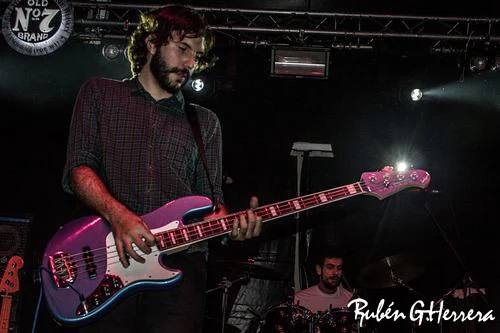
That route had begun much earlier. El Páramo played Jack Daniel’s Stage on Friday 20 July; on Saturday, Toundra occupied the same stage and Adrift appeared at Black Bikini. Alfredo Rodríguez’s Musicazul review connects the three through its attention to instrumental development and guitars, although their resources differed.
El Páramo: staying with the rhythm
Rodríguez chose El Páramo while they overlapped with WarCry. His account describes five pieces of instrumental stoner rock and singles out Júpiter. The reactions he observes include necks moving with the rhythm. The lack of a singer neither prevented a physical response nor made the show a background interlude.
The choice also says something about a festival experience. Staying meant giving time to an act less prominent at the top of the bill. The resulting review preserves that performance because its author chose to follow it, with the loss that implied at another stage.
Adrift: density and voice
The following day, Musicazul found long compositions and dense guitars in Adrift, with Black Heart Bleeds Black as the recent reference. It described a set of around half an hour containing four pieces from that record. Available time concentrated the journey.
Adrift had vocals: the album credits on the band’s Bandcamp identify Jorge García as guitarist and singer. Their place along this route comes from the guitars and the reviewer’s attention, without mistakenly classifying them as instrumental. The distinction makes the comparison more useful: bands could seek intensity without using the same means.
Toundra: a stage that felt too small
Musicazul describes a full Jack Daniel’s Stage for Toundra and connects the set with their second album, II. The critic celebrated their instrumental rock and the response within the space. That impression belongs to his experience; it explains the significance he gave a show away from the main stage.
The radio later highlighted the band’s instrumental, progressive and experimental character when choosing it for the closing segment. Its farewell and the written review meet at a specific point: both made room for Toundra within a programme full of recognisable voices.
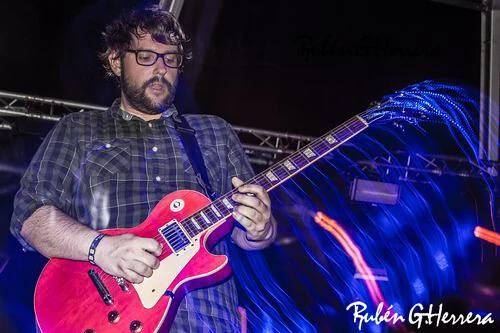
El Páramo, Adrift and Toundra consequently trace a route through smaller stages, using different ways to build a piece and sustain attention. Returning to Costa de Fuego that way shifts the festival’s centre. For a while, what matters is where a guitar changes, how the rhythm develops and why someone decides to stay.
Sources behind this story
- Musicazul · Alfredo Rodríguez · El Páramo; Adrift; Toundra
- Adrift · Black Heart Bleeds Black · Bandcamp
- Radio 3 · 21 July 2012 · 03:48:55–03:49:27; 03:56:26–03:57:03
- RafaBasa · 20.07.2012