Benicàssim · 20–21 July 2012
A snapshot of metal in 2012 through Costa de Fuego
3 min · An independent festival keepsake
Satyricon were still playing in sunlight. The observation recurs in Costa de Fuego’s sources because the contrast is easy to recognise: music associated with darkness occupying the main stage in the afternoon. Around it, the programme opened other paths for guitars. Benicàssim’s bill on 20 and 21 July 2012 offers a way through that coexistence.
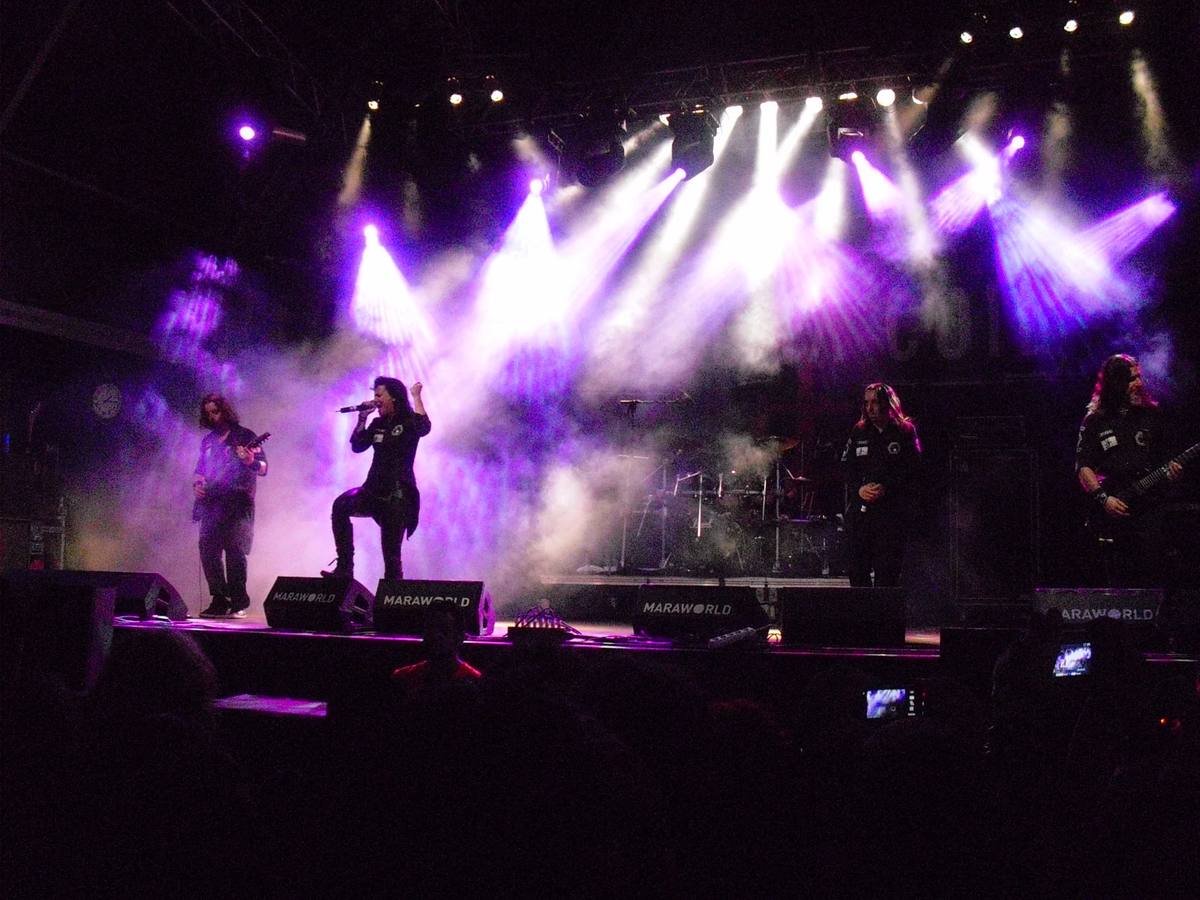

The first qualification concerns scale. A festival has its own timetable, booking decisions and preferences. Its line-up offers a situated snapshot of heavy music in 2012, without representing every scene or exhausting what happened beyond the grounds. That makes its specific encounters worth examining.
Veterans and bands with recent records
Obús and Barón Rojo brought a long relationship with Spanish heavy metal. Around Fortu, Radio 3 observed several generations of fans; Barón Rojo’s show preserved a remembrance of Jon Lord. Songs could gather people arriving with different memories at a newly established event.
On the same day, Steel Horse played recognisably classic heavy metal and Angelus Apatrida presented The Call. The siren and organised crowd movement during their set make thrash’s impact understandable through a documented action. Related or contrasting languages stood a short journey apart.
The combination broadened through Your Demise and their hardcore, while Amorphis and Satyricon occupied the main stage. Musicazul describes different responses and conditions: collective movement at one stage, sunlight on musicians at another. The labels acquired substance when connected to those performances.
Changing intensity
On Saturday, Nightwish brought voices, keyboards and staging with flames to the Imaginaerum era. Radio 3 introduced Architects in connection with Daybreaker. Rolo Tomassi were described through contrasts between harsh passages, atmospheres and synthesisers. Those introductions show that intensity could take several forms.
Opeth arrived in the Heritage period, with progressive exploration discussed by the presenters as their set began. Another thread ran through the instrumental groups: El Páramo on Friday and Toundra on Saturday. Adrift’s dense guitars also belonged to that route through other intensities. Musicazul gave those shows an attention their billing size alone could not have predicted.
Language also belonged to the mixture. Berri Txarrak brought a repertoire in Basque and a collaboration with Cancer Bats’ singer. In their Friday performance, later replayed by the radio, Vita Imana foregrounded percussion and a batucada. These were audible differences within the same event.
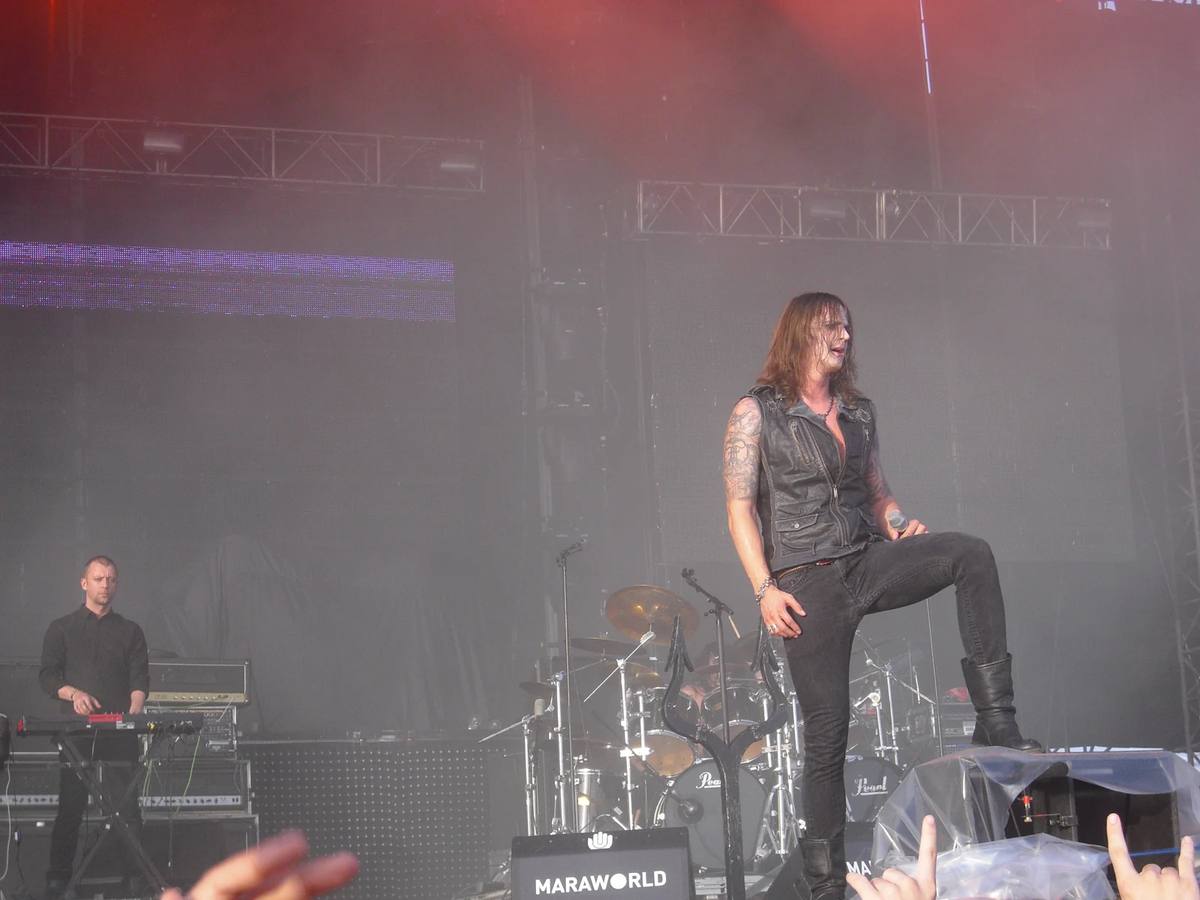
Guns N’ Roses and Marilyn Manson headed that whole programme. Their names explain some of the debut’s visibility, but a musical reading of the festival needs to move further down the bill. That is where the relationships making this snapshot useful emerge: generations sharing grounds, recent records alongside familiar repertoires and different ways of persuading someone to stop at a stage.

Sources behind this story
- Musicazul · Alfredo Rodríguez
- Radio 3 · 20 July 2012 · 00:02:13–00:02:43; 00:49:55–00:50:44; 03:39:15–03:39:57
- Radio 3 · 21 July 2012 · 00:55:16–00:56:56; 00:59:43–01:00:17; 02:00:30–02:00:51; 02:24:21–02:25:35; 03:16:00–03:17:39